
Child Custody

  • In A Divorce – What Does the Best Interest of a Child Mean?

    In Missouri custody cases, the court decides parenting arrangements based on what serves the child’s overall well-being. Judges look at factors such as each parent’s involvement, the child’s relationships, school stability, mental and physical health, and each parent’s willingness to support the child’s relationship with the other parent. Understanding the “Best Interest” Standard When you are dealing with custody issues in Missouri, the court is required to determine custody according to the child’s best interest. While the law gives several factors for courts to consider, it does not provide one exact definition of what “best interest” means. Missouri law includes a rebuttable presumption that equal or approximately equal parenting time is in a child’s best interest. In other words, the court starts with the assumption…
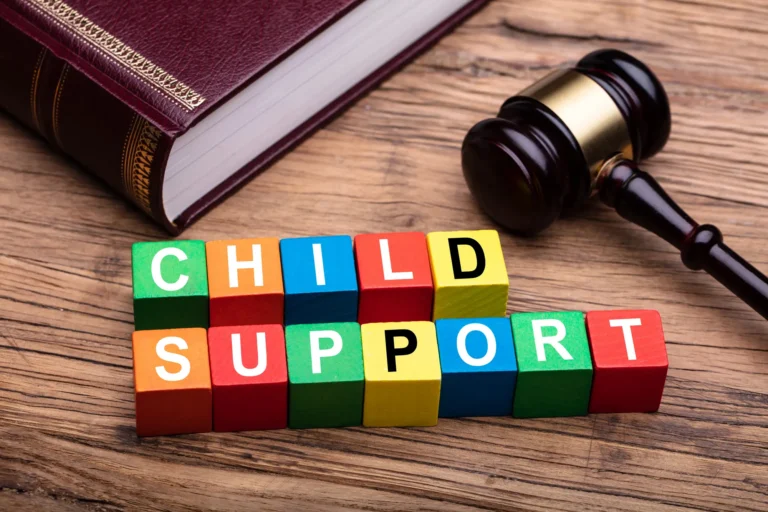

  • Can Child Support Be Modified Without Going to Court?

    Child support can be modified in Missouri without a courtroom battle if you and the other parent are able to reach an agreement. Through Mediation, Collaborative Divorce, or informal discussions, you can create a new support arrangement and submit it to the court for approval, saving time, stress, and conflict. Do You Have to Go to Court to Modify Child Support? The short answer is yes, but not in the way you might think. A judge still must approve any changes to child support.  If you and the other parent reach an agreement, you can put everything in writing, file the proper documents, and have a judge sign off. In many cases, this is quick and straightforward. You are not standing before a judge arguing…

  • Can You Modify Child Custody Without the Other Parent Agreeing?

    Yes, but you cannot modify child custody without the other parent’s agreement unless you go to court. Judges have broad discretion in custody cases and want parents to try to resolve disputes first through negotiation, Mediation, or Collaborative Divorce. When a Custody Agreement Is Not Possible You may believe a custody change is necessary, but the other parent refuses to agree. There is no way to force a custody modification without either an agreement or a court order. If you cannot agree, your only option is to take the matter to court. However, before going down that path, it is worth trying to resolve things through guided conversations using either Mediation, or the Collaborative Divorce process. If those efforts fail, the court becomes your next…

  • Child Custody Issues with a Special Needs Child

    Your Special Needs Child’s Daily Needs Come First When your child has special needs, custody is not just about where they spend their time. You have to look closely at what your child needs to function each day. Some children rely on medical equipment, mobility aids, or home modifications. If one home is set up for those needs and the other is not, moving back and forth may not be realistic or financially achievable. You could find that your child cannot comfortably transition between two homes. In some situations, maintaining one primary residence, sometimes called nesting, may better support your child’s routine.  Nesting means that the child stays in the primary residence while you and your spouse move in and out of the home during…

  • What Happens if You Fall Behind on Child Support Payments?

    If you fall behind on child support payments, you can face serious enforcement actions including wage garnishment, suspension of licenses, court contempt, and even jail time. You also have options to request a child support modification if your financial situation has changed, but you must act quickly to protect yourself. Understanding Enforcement Actions When you don’t keep up with child support, what happens next depends on whether a government enforcement agency is already handling your case. If the Division of Child Support Enforcement (DCSE) is already involved, they will take action. They can set up a wage withholding from your paycheck if one isn’t already in place. They can also pursue actions like garnishing your bank accounts or seizing assets. On top of that, they…

  • Legal Custody versus Physical Custody in Missouri?

    Legal custody and physical custody serve two very different roles in a parenting plan. Legal custody focuses on who will make important decisions about your child’s life, while physical custody determines the schedule and how your child’s time is shared between you and your co-parent. Understanding how these two types of custody work together will help you create a plan that supports your child and sets clear expectations for both of you. Understanding Legal Custody When you hear “legal custody,” think about decision-making. This covers the major choices that shape your child’s life. These decisions include education, medical care, and activities. For example, you and your co-parent will want to address where your child goes to school, what doctors they see, whether they need to…

  • Can Child Custody Orders Be Changed?

    Child custody orders can be changed if there has been a change in circumstances and the new arrangement is in your child’s best interest. In Missouri, you can modify custody, decision-making authority, or parenting time through the court. Many parents choose to resolve these matters privately through Mediation or the Collaborative Divorce process because those approaches offer privacy and allow you to create solutions that truly fit your family’s needs. Custody and Parenting Plans Can Change Under Missouri law, any part of a custody arrangement can be modified. That includes who makes decisions for the child, where your child attends school, and how parenting time is divided. To request a change, you must show that circumstances have changed since the original order and that the…

  • 7 Common Reasons for Modifying Child Custody

    There are many reasons why you might need to modify an existing custody order to better suit the changing needs of your child and family. As life progresses, changes are inevitable. This is especially true in questions related to child custody. Here are some of the most common reasons that child custody orders are changed. 1. Changes in your Child’s Needs As your child grows, their needs change. A custody arrangement that worked well for a toddler might not be suitable for a teenager. Older children often have more activities, such as sports, clubs, and social events. If one parent is better able to transport the child to these activities or provide support for their interests, a modification may be necessary. Additionally, as children mature,…

  • Your Fear Can Make Your Divorce or Custody Case More Expensive

    Divorce and Custody cases have lots of emotions and uncertainties. One of the most significant factors that can unintentionally increase the cost of your divorce or custody case is fear. When you act out of fear, your reactions can become irrational, leading to unnecessary conflicts and complications. Understanding how fear influences your behavior during a divorce or custody case can help you manage your emotions better and potentially save you a significant amount of money. How Fear Influences Divorce or Custody Case Costs When fear takes over, you might find yourself acting impulsively or making decisions that are not in your or your children’s best interest. Here’s how fear can manifest and escalate the cost of your divorce or custody case: How to Manage Your…

  • Divorce in the Age of Equal Parenting

    Divorce is a significant life event that can bring about many changes, especially when children are involved. In today’s world, the concept of equal parenting is reshaping the landscape of custody arrangements and how divorcing couples navigate the process. The Rise of Equal Parenting Equal parenting, also known as shared parenting, moves away from the traditional notion of one parent having primary custody while the other has visitation rights. Instead, it emphasizes a more balanced approach, aiming for a 50-50 split in parenting time unless circumstances dictate otherwise. This shift is based on the idea that both parents play essential roles in a child’s life and should share responsibilities equally whenever possible. Judicial Trends and Equal Parenting One significant impact of this shift is the…